In the urban environment, motorcycle gear has a difficult job. It needs to provide professional-grade protection on the asphalt, but it shouldn’t make you look like you’re heading to a racetrack when you’re just grabbing a coffee.
Most guides are filled with lifestyle branding and “race-inspired” buzzwords. This is a technical breakdown of the engineering that actually matters. No brand recommendations—just the facts you need to make an informed decision.
1. Structural Integrity: Single-Layer vs. Dual-Layer Tech
Modern engineering has moved past the need for heavy, conspicuous “biker” uniforms. When choosing an urban jacket or hoodie, you generally have two professional options:
- The Technical Single-Layer (The Stealth Standard): This is the pinnacle of modern gear. Instead of a bulky separate lining, abrasion-resistant fibers (like Aramid or high-density polymers) are interwoven directly into the outer fabric. This allows the garment to look, feel, and drape exactly like premium streetwear while maintaining a professional safety rating. It is lighter, more breathable, and stays completely “stealth.”
- The Dual-Layer Shield: For maximum heat and friction resistance, some styles utilize a separate Full Internal Lining of ballistic-grade material. This creates a “second skin” hidden beneath the outer shell. While slightly heavier, it provides a massive safety margin for longer road sessions and high-friction scenarios.
2. The “Flap” Test: Engineering the Hood
A hoodie is a staple of urban style, but at road speeds, a standard hood becomes a parachute. A technically sound riding hoodie must solve this:
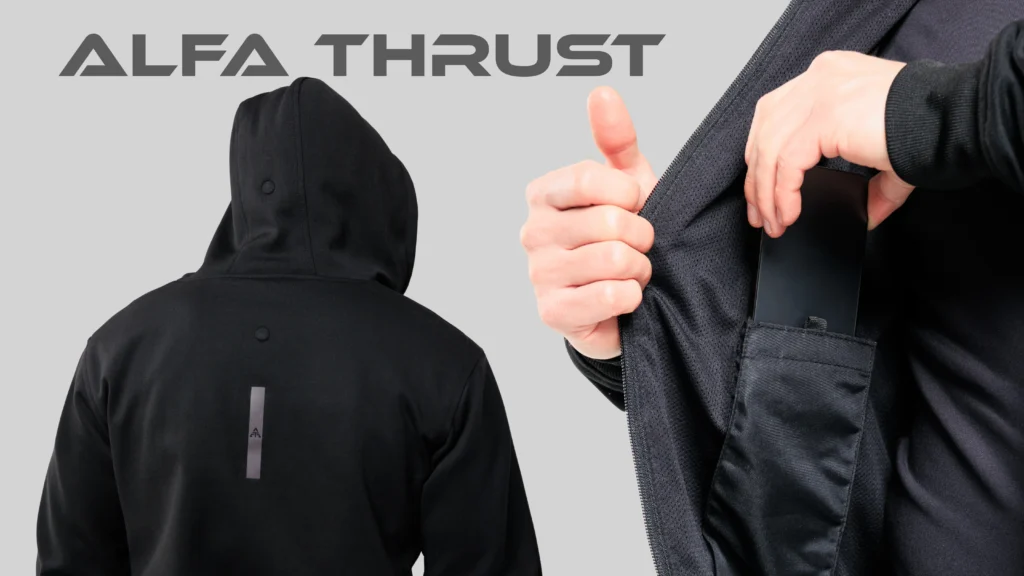
- Magnetic Anchors: Look for gear with Hidden Magnets on the back. These lock the hood to the jacket, keeping it flush against your spine so it doesn’t catch wind or whip against your helmet.
- Reflective Integration: Safety shouldn’t ruin the aesthetic. The best gear subtly incorporates Reflective Strips or Logos into the design. You remain visible in low-light conditions without looking like a construction worker.
3. Decoding the Label (EN 17092)
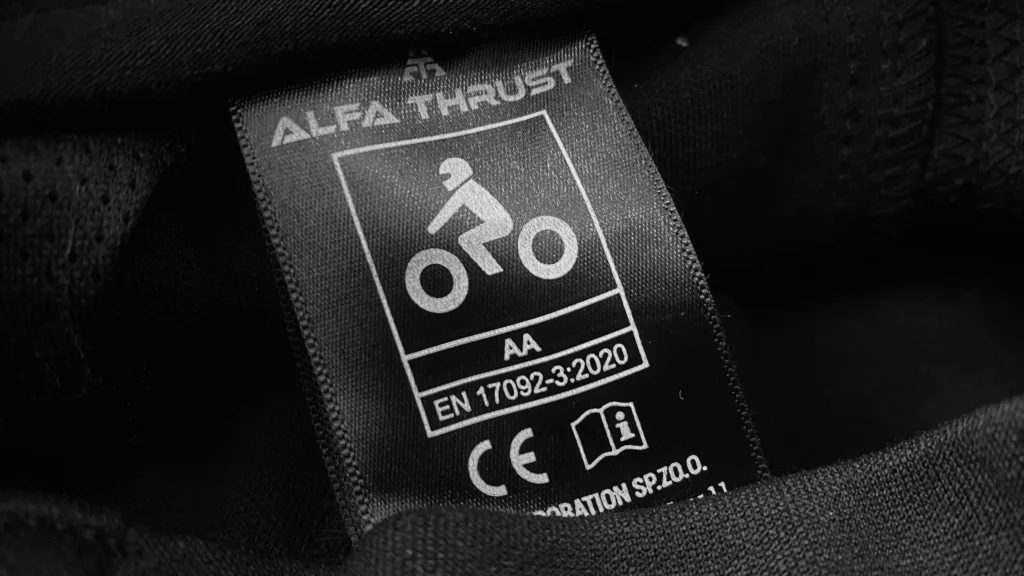
Every legitimate motorcycle jacket has a CE certification label. It is the only objective proof of how the garment performed in a laboratory.
- Class AAA: Heavy-duty, designed for professional racing.
- Class AA: The Road Standard. Engineered for touring and high-speed road use. This is the “sweet spot” for serious riders who need maximum protection without the restrictive bulk of a track suit.
- Class A: Light-duty, designed for low-speed city commuting.
4. Impact Protection: Circular and Bio-Enhanced Armor
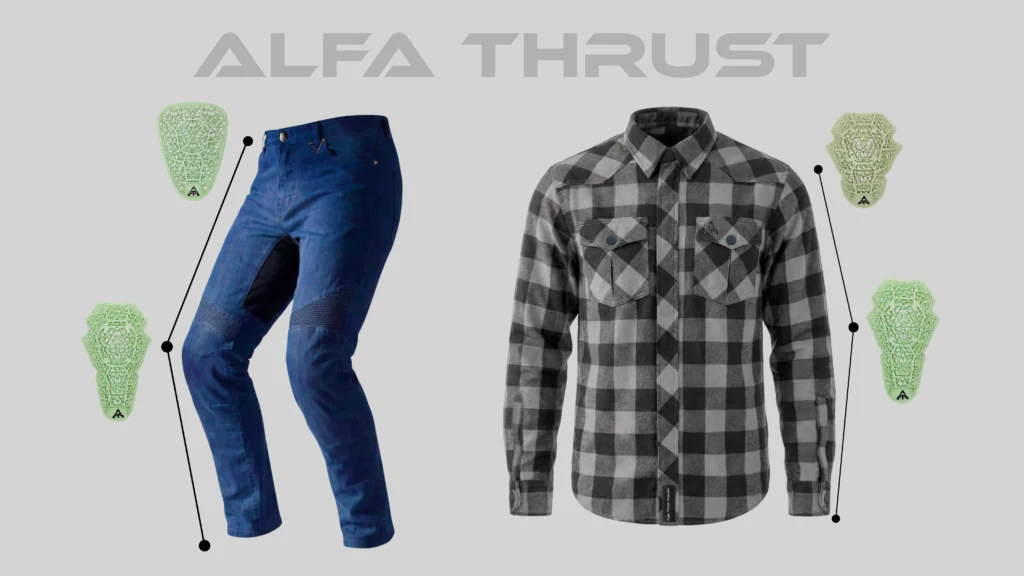
Fabric handles the slide, but armor handles the hit. The industry is shifting away from traditional, non-recyclable plastics toward Circular, Intelligent Composites.
- The 100% Recyclable Standard: Modern urban gear should prioritize the planet as much as the rider. High-end armor systems are now 100% Recyclable, ensuring that safety equipment doesn’t end up in a landfill.
- Sustainable Integration: The latest frontier involves Natural Bamboo-Fiber Composites. By utilizing high-performance materials enriched with natural bamboo—meeting strict European environmental protection standards—the armor utilizes a rapidly renewable resource while maintaining elite safety specs.
- Non-Newtonian Performance: Beyond being eco-friendly, this material is “intelligent.” It remains soft and flexible during normal movement—maintaining a slim, natural silhouette—but the molecular structure locks instantly upon impact to dissipate energy.
- CE Level 2: Always verify the rating. Level 2 armor absorbs significantly more impact force than Level 1.
5. Intuitive Hardware
Small details define the quality of the build:
- Magnetic Closures: Traditional buttons are difficult to use with gloves. Look for Hidden Magnetic Flaps over zippers. They allow for easy, one-handed operation and keep the wind-flap secure.
- The Reach Test: When you are in a riding position (arms reaching forward), the sleeves must still cover your wrist bones. If they slide up, the jacket is too short for your reach.
The Verdict
The “perfect” jacket is the one that stays invisible until you need it. Ignore the logos. Check for Single-Layer Technical Weaves, verify the Magnetic Hood Anchors, and insist on Class AA certification. If a jacket meets these requirements, it is a piece of professional equipment—not just a piece of fashion.